What is B2C ECommerce?
B2C eCommerce has steadily risen since its inception sometime after the dot-com boom. Consumers prefer to shop online because it is extremely convenient. This need for convenience, coupled with the fact that starting an eCommerce store is easy (a Shopify site can be set up in a day), has accelerated B2C eCommerce growth over the years. But taking a step back, what exactly is B2C eCommerce? B2C, or Business-to-Customer, is a model where a business directly caters to its end-user, the customer. Nike sells shoes directly to consumers who buy and wear them and is an example of the B2C model. It differs from the B2B model where businesses cater to other businesses, like IBM providing computing services to CitiBank, both of whom are businesses. When a B2C company sells its products online, they engage in B2C eCommerce. B2C brands generally have a higher sales volume due to their smaller sales cycles (compared to B2B companies). This coupled with the global reach that selling online provides, makes B2C eCommerce an extremely lucrative business for brands. The growth marketing strategies available today help brands accelerate sales, which is another reason for brands to get into B2C eCommerce.
Benefits of B2C eCommerce Marketing

A mom-and-pop store running out of their home garage can today cater to a global audience thanks to B2C eCommerce. Businesses getting into B2C eCommerce get the advantage of the internet's global reach. Through channels like a website and social media, every B2C eCommerce store can sell to anyone across the globe irrespective of their size or location.
Of course, they will need to invest in growth marketing tactics to ensure their products are getting a widespread reach, and they may need to invest in hiring a growth marketing agency to get the best results.
B2C brands traditionally needed to operate out of brick-and-mortar stores. Consumers wanted to walk into a physical store, check the product, and only then make a purchase.
Since the worldwide adoption of smartphones, computers, and the internet, most consumers have switched to online shopping. In fact, over two billion people purchased goods or services online in 2020, according to a report by Statista.
This has allowed B2C brands to cater to their consumers over the internet and eliminate physical stores, drastically reducing physical overhead costs. Businesses using models like dropshipping and marketplaces further reduce overhead costs by eliminating the need for product storage altogether.
B2C eCommerce brands engage in end-to-end digital marketing. The advantage of running all marketing activities digitally is that businesses can track all marketing data and analytics and then use this data to make informed decisions to improve marketing activities.
Data can be analyzed to determine which campaigns attract the most consumers, which channels drive the most sales, which platforms provide the highest ROI, etc. This information helps B2C eCommerce brands funnel their marketing budgets and efforts in the right direction.
Ensuring all marketing platforms are appropriately configured is key to collecting accurate data. Reach out to a growth marketing agency if you aren't tech-savvy and don't know how to do this correctly.
B2C eCommerce brands engage with consumers digitally, from the first point of contact until the sale is made. Just like in digital marketing, engaging with customers online gives businesses huge amounts of customer data that they can use to better profile their ideal customer.
By studying demographic data like geography, age, gender, and data like preferences and interactions, brands can draw a clear picture of what their ideal customer looks like. This allows them to improve their marketing and advertising targeting and reach out to a more niche audience that is likely to engage with their brand and convert.
-
Local Stores Get a Global Audience
-
No Physical Overhead Costs
-
Complete Marketing Control
-
More Customer Data for Better Profiling
Concept of B2C Dropshipping

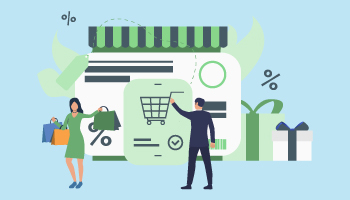
- Minimal starting capital They don't need to invest in a store, warehouse, or purchasing stock. Their only expenditure is on a website.
- Easy to start - Brands just have to find reliable vendors or manufacturers and have a website developed, and they are ready to go.
- Little to no overhead - Dropshipping brands don't need a warehouse or even a physical store reducing physical overhead.
- Work from anywhere - There is no geographical limitation for the B2C store; they can run their businesses from anywhere.
- Large inventory - The B2C brand can sell any product they want as long as they have a vendor or manufacturer who will fulfil the order. A store can sell apparel and electronic products from a single store.
- Scalability - Since external parties handle the order processing and shipping, the store can increase the stock count and products easily and quickly.
Marketing Strategies for B2C eCommerce